Moroccan Zellige tiles are celebrated worldwide for their vibrant colors and intricate craftsmanship. These hand-shaped, glazed terracotta pieces transform surfaces into stunning mosaics that reflect Morocco’s rich cultural heritage. Known alternatively as zellige mosaic, this artisanal tilework plays a fundamental role in Moroccan architecture, adorning everything from palace walls to modern interiors. Exploring their origins and artistic process reveals a fascinating blend of history, tradition, and aesthetic mastery that continues to inspire contemporary design.
Understanding Moroccan Zellige Tiles: An Overview
Zellige tiles are small, hand-cut ceramic tiles traditionally fashioned from terracotta clay and coated with colored glazes. The term “zellige mosaic” refers to the arrangement of these cut pieces into intricate geometric and floral patterns. These tiles have long been integral to Moroccan decorative arts, often used in fountains, courtyards, and walls within majestic palaces. Their enduring cultural importance is tied to both artistry and symbolism, representing Moroccan identity through centuries of architectural heritage.
The History of Zellige Tiles in Morocco
The craft of zellige tile-making dates back to the 10th century, evolving through Islamic, Andalusian, and Berber influences. These cultures contributed techniques and motifs that shaped the distinctive style. Historically, zellige tiles adorned royal palaces such as the Alhambra and public buildings, signaling wealth and spiritual symbolism. The tradition has been carefully preserved and passed down through generations of skilled artisans, embodying Morocco’s rich lineage of craftsmanship and cultural continuity.
The Art and Craftsmanship Behind Zellige Tiles
Each zellige tile begins as a lump of raw terracotta clay, manually shaped using a chisel into specific geometric forms. After drying, artisans hand-glaze and fire the pieces in traditional kilns, producing subtle variations in color and texture. This handcrafted process ensures every tile is unique, contributing to the mosaic’s dynamic visual and tactile appeal. The handcrafted nature embraces imperfections, adding character and depth that machine-made tiles cannot replicate.
Materials and Techniques Used in Zellige Tile Making
Key materials include terracotta clay, natural mineral pigments for glazes, and sometimes quartz for added durability. Tiles undergo kiln firing which solidifies the glaze, creating a resilient surface with a glossy or matte finish. Variations in firing temperature and glazing techniques result in a broad spectrum of colors and textures. These material choices not only influence aesthetics but also affect water resistance and longevity, making zellige both beautiful and practical.
Common Patterns and Designs in Zellige Mosaic
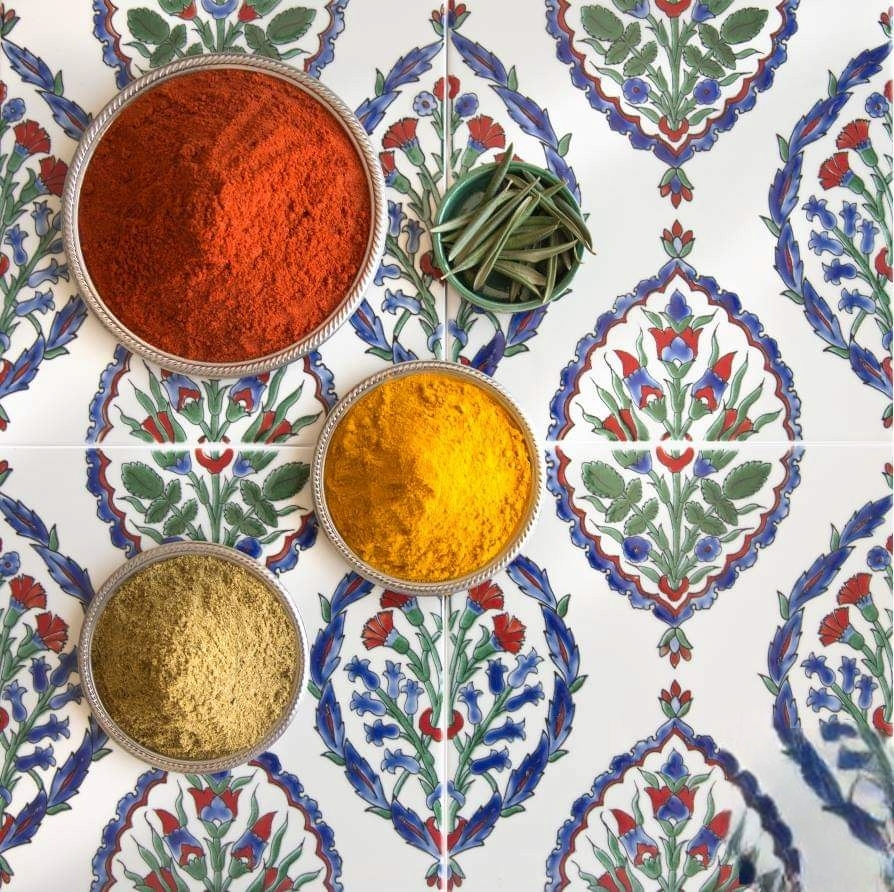
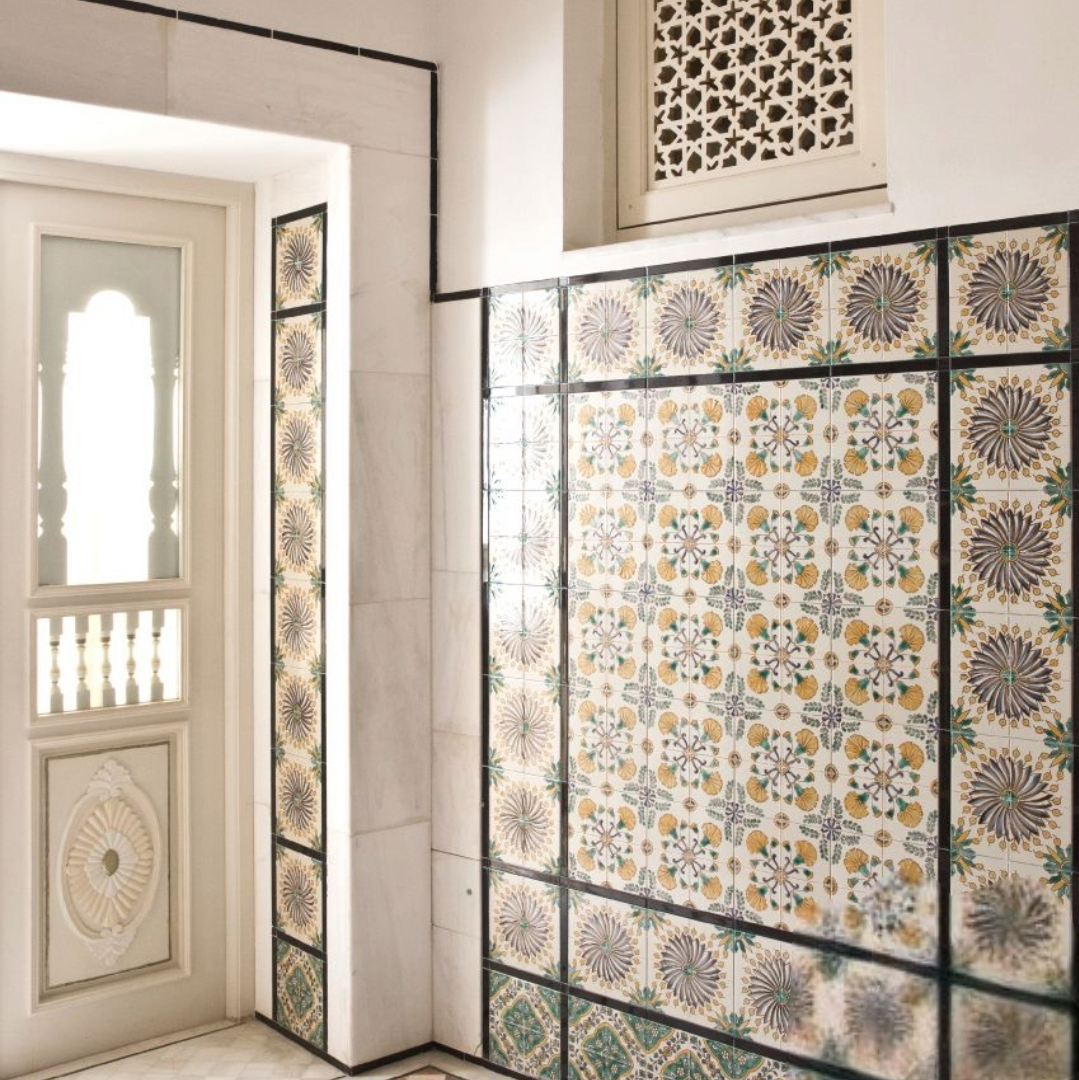
Moroccan zellige tiles often display geometric patterns like stars, polygons, and overlapping shapes alongside stylized floral motifs. These designs carry symbolic meanings associated with unity, infinity, and spirituality. The tessellations demonstrate mathematical precision and artistic fluidity, creating harmonious compositions that balance repetitive order with the charm of handmade unpredictability. This interplay enriches spaces, inviting viewers to appreciate tradition and artisan skill.
How Zellige Tiles Are Used in Modern Design
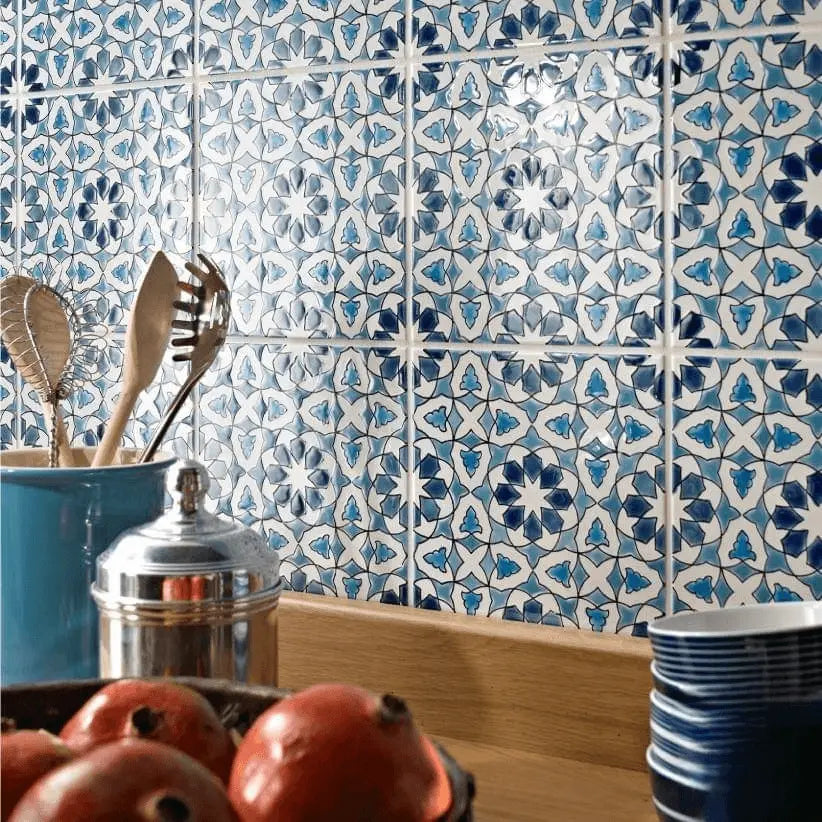
Contemporary designers worldwide incorporate zellige tiles in kitchens, bathrooms, pool surrounds, and accent walls to infuse spaces with texture and color depth. Their tactile surface and rich palette complement modern décor trends, especially in Mediterranean and eclectic interiors. The blend of traditional Moroccan craftsmanship with current aesthetics offers unique focal points, bridging cultural heritage and modern lifestyles.
Installation and Maintenance Tips for Zellige Tiles
Installing zellige requires experienced professionals due to the tile’s variable thickness and irregular shape. Proper sealing and grouting are essential to protect against moisture and staining, especially in wet areas. Use pH-neutral cleaners to maintain the glaze’s sheen and avoid abrasive or acidic products that can damage tile surfaces. Regular maintenance prolongs the tile’s beauty, preserving the original artisanal finish for years.
Choosing the Right Zellige Tiles for Your Space
Select colors and shapes that align with your design goals and the room’s function. Larger tiles create bold statements, while smaller mosaic formats offer intricate detail. Consider the balance between authentic artisanal appeal and practical durability, especially in high-traffic areas. Ordering samples can help visualize the final look and work closely with reputable suppliers ensures quality craftsmanship and accurate color matching.
Where to Buy Authentic Moroccan Zellige Tiles
Authentic zellige tiles are sourced directly from Moroccan artisans and trusted suppliers specializing in handmade ceramic tiles. Verification of authenticity guarantees traditional methods and superior quality. When purchasing, consider shipping logistics, pricing transparency, and responsive customer support to ensure a smooth buying experience.
Frequently Asked Questions About Zellige Tiles
Zellige tiles are handmade, glazed ceramic pieces cut into geometric shapes and assembled into mosaics. Their uniqueness lies in the manual shaping and firing variations, yielding subtle color and texture differences. They are durable with proper installation and sealing, suitable for walls and floors indoors and out. Glazed tiles offer a glossy finish, while unglazed provide a matte, more rustic look. Maintenance involves gentle cleaning to protect the artisan glaze.
Preserving and Restoring Historical Zellige Tile Work
Antique zellige mosaics face challenges like fading glaze, cracked tiles, and loose tesserae. Restoration employs careful cleaning, consolidation, and replacement of damaged pieces using traditional materials and methods. Preservation is crucial to safeguard Morocco’s cultural heritage and maintain the historical integrity of architectural landmarks.
Environmental and Cultural Impact of Zellige Tile Craftsmanship
Zellige production uses sustainable natural materials with low environmental impact, supporting eco-friendly artisan practices. Culturally, it empowers local families by preserving traditional skills and boosting artisan livelihoods. Moreover, authentic zellige crafts attract tourism and strengthen Moroccan cultural identity on a global stage.

Leave a comment
This site is protected by hCaptcha and the hCaptcha Privacy Policy and Terms of Service apply.