In the intricate world of Islamic art, Moroccan zellige stands out as a vibrant testament to centuries of artistic mastery and cultural identity. This hand-crafted ceramic tilework, renowned for its dazzling geometric patterns and painstaking craftsmanship, offers more than decoration—it encapsulates a rich history, technical expertise, and a deep symbolic tradition embedded in Moroccan and Islamic cultures. Exploring zellige reveals how tradition and innovation intertwine, illuminating its artistic and cultural significance far beyond aesthetic appeal.
The Origins and Evolution of Moroccan Zellige
Moroccan zellige traces its roots back to the 10th century, emerging as a distinctive form of ceramic tile mosaic crafted with glazed terra cotta pieces known as tesserae. Its origins are closely linked to earlier mosaics and ceramic art traditions that flourished in the Maghreb and across the broader Islamic world. Scholars believe that the art of zellige evolved through a combination of influences: indigenous Berber craftsmanship, Andalusian artistic heritage, and the transfer of techniques across the Mediterranean basin. Intriguingly, the term "zellige" itself derives from the Arabic word "zallīj," meaning "little polished stone," speaking to the skillful polishing methods used to achieve its characteristic shine.
Parallel tile arts such as the Iberian azulejo share a linguistic and stylistic connection, reflecting centuries of cultural exchange under Islamic rule in Al-Andalus. While azulejo tends toward larger, painted ceramic tiles, Moroccan zellige is unique for its small, hand-cut geometric pieces assembled into complex patterns. This mosaic art blossomed under several Moroccan dynasties, including the Almoravids, Almohads, Marinids, and Saadians, each contributing to its refinement and proliferation. These rulers patronized monumental architectural projects that featured intricate zellige installations, spreading its artistic language throughout urban centers.
Following the 15th century, as Islamic empires faced upheavals elsewhere, Moroccan zellige remained rooted tightly in Morocco, maintaining its historical resilience amid political and cultural shifts. Today, it survives as a distinguished hallmark of Moroccan heritage, symbolizing continuity in craftsmanship and aesthetics across centuries.
Techniques and Craftsmanship Behind Moroccan Zellige
The making of Moroccan zellige is a testament to generations of artisanal expertise, employing a meticulous, multi-stage process that begins with hand-prepared clay. Artisans select local clays, which are mixed and kneaded to achieve the right consistency before being shaped into thin slabs. These slabs dry partially before receiving a coat of a vividly colored glaze—typically created using natural pigments—applied by hand to create the desired hue or finish.
Once glazed, the slabs are fired to harden the surface, after which skilled craftsmen known as ma'alems—master artisans—begin the delicate work of cutting. Using specialized tools shaped like curved knives, they hand-cut the tiles into tesserae, the small geometric shapes that compose zellige patterns. This cutting demands precision and a deep understanding of geometry, as each piece must fit seamlessly within the overall design.
Preservation of this craftsmanship hinges on traditional apprenticeships whereby novices train under established ma'alems, absorbing not only cutting techniques but also an appreciation for cultural and artistic values. This mentorship system protects the authenticity and quality of the craft, though modern pressures have posed challenges to its continuity.
Distinct from other tile traditions, Moroccan zellige is assembled “face down” on wooden molds, where artisans glue tesserae according to calculated geometric layouts. This method allows close control over pattern precision and color harmony before installation, ensuring the final display on walls or floors achieves the intended visual impact. Regional variations, such as the Tetouan style, add unique aesthetic nuances, marked by differences in color palettes and motif choices, showcasing Morocco’s rich mosaic vocabulary.
The Geometry and Patterns of Zellige in Islamic Art
Geometric design lies at the heart of Islamic art, shaping decoration through aniconism—the avoidance of figural imagery—resulting in intricate abstract patterns symbolizing infinity and unity. Moroccan zellige exemplifies this tradition, translating mathematical principles into visual poetry by tessellating shapes that interlock perfectly without gaps or overlaps.
The tessellation in zellige commonly employs an array of polygons, stars, and arabesques, alongside strapwork—band-like decorative motifs. Common star patterns include 6-, 8-, 10-, and 12-pointed stars, each offering a unique rhythm and symbolism drawn from sacred geometry. The repetition and symmetry inherent in these motifs evoke spiritual concepts and invite contemplation, while the complexity of pattern layering escalated over centuries, displaying both artistic prowess and intellectual achievement.
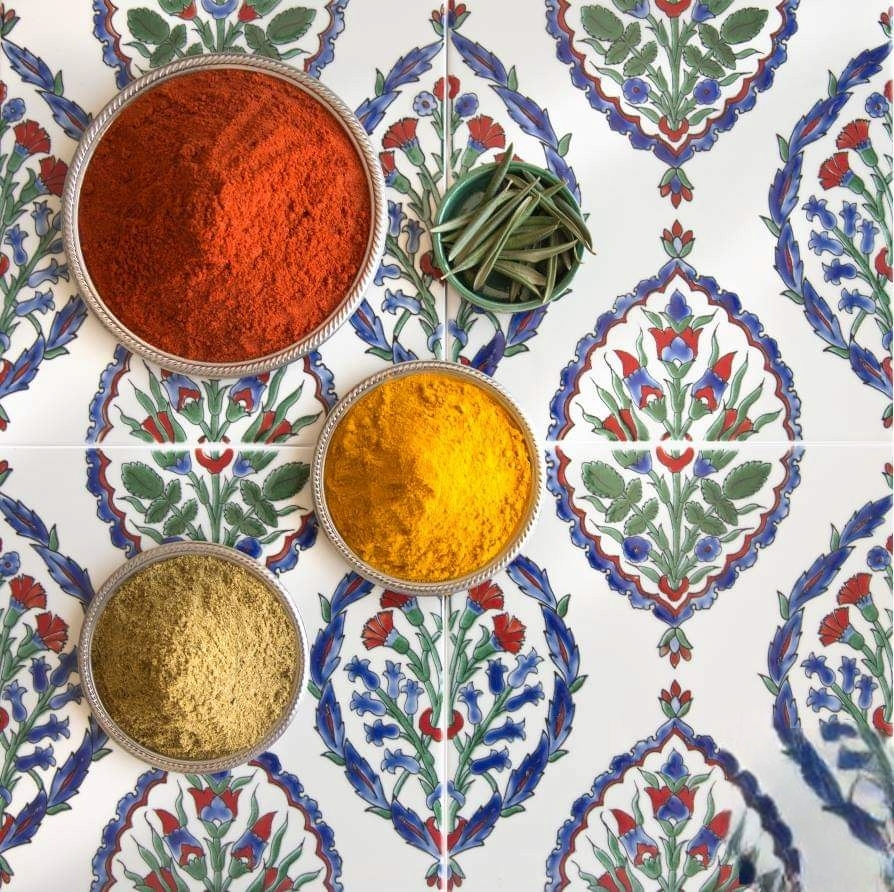
Color further enhances the patterns' depth and vibrancy. Rich hues such as cobalt blue, emerald green, fiery red, and earthy ochres interplay within tesserae, generating visual contrasts that enliven architectural surfaces. These carefully chosen palettes reflect not only aesthetic preferences but also cultural meanings—blue for protection, green for paradise, and so forth.
Examples of iconic patterns include the girih strapwork designs and the eight-pointed Star of Kharrāz, widely admired for balancing complexity with clarity. Their mathematical rigour mirrors advances in geometry and the artisan's skill in translating abstract concepts into tangible beauty, cementing zellige as a pinnacle of Islamic decorative art.
Cultural Significance and Iconic Examples of Moroccan Zellige
Beyond craftsmanship, Moroccan zellige signifies social stature, embodying wealth, power, and artistic excellence through its presence in palaces, mosques, and civic buildings. It functions as a cultural marker that embeds Islamic heritage within daily life and monumental architecture alike.
Prominent examples demonstrating zellige’s grandeur include the Hassan II Mosque in Casablanca, home to one of the largest zellige installations worldwide, showcasing dazzling geometric designs paired with Islamic calligraphy. Similarly, the Alhambra in Granada—the pinnacle of Andalusian Islamic architecture—features exquisite zellige and related mosaic work, revealing the shared heritage between Morocco and southern Spain. Closer to home, the Bou Inania Madrasa and Saadian Tombs in Fez are renowned for their masterfully crafted walls, floors, and fountains adorned with zellige.
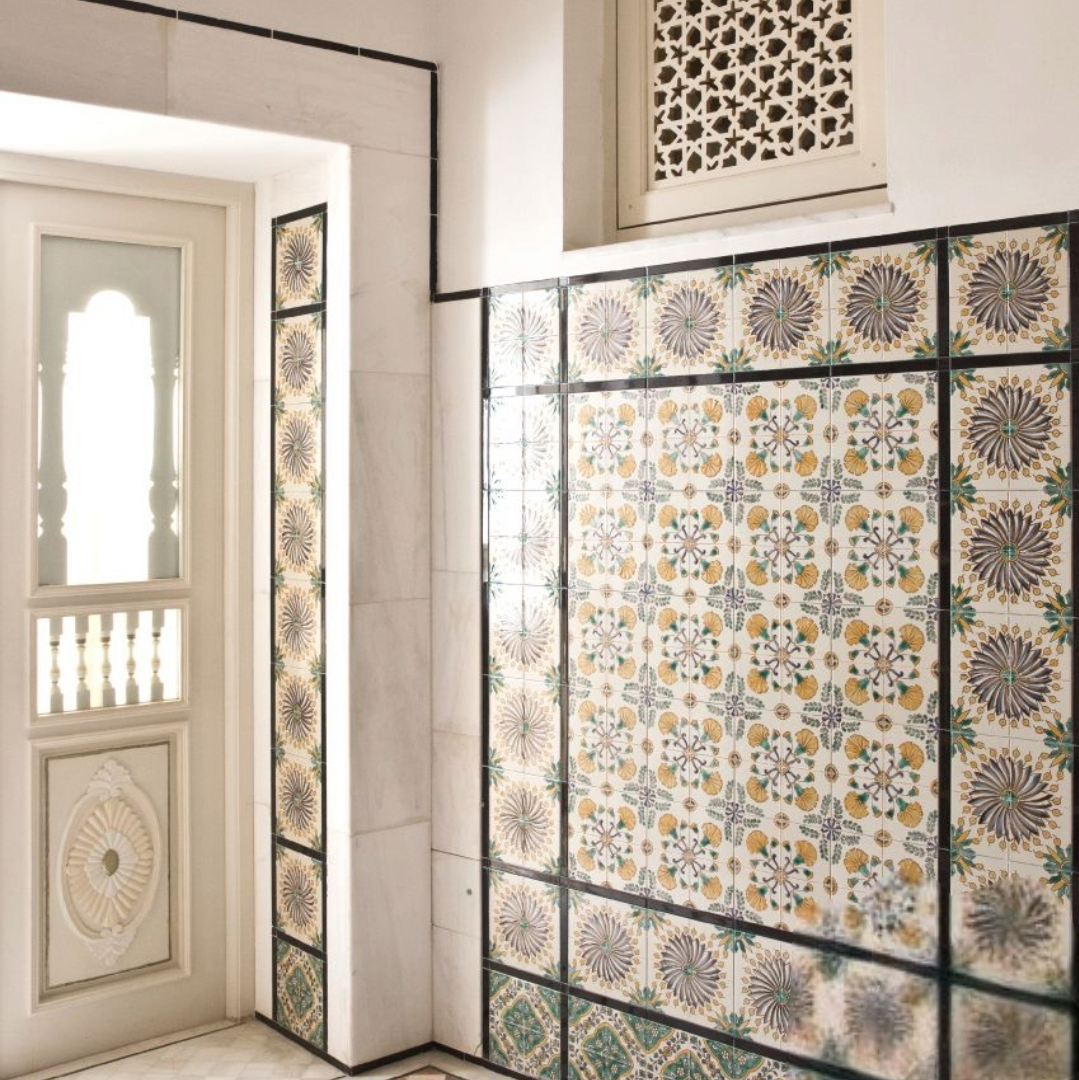
Zellige serves diverse architectural functions, decorating surfaces from fountains that provide tranquil focal points, to sprawling courtyard floors, elaborately carved gates, and palace interiors that merge functionality with artistry. These instances speak to zellige's dynamic role across both religious and secular contexts, where form meets profound cultural symbolism.
Moreover, zellige remains central to Moroccan identity, reinforcing local pride and continuity amidst globalization. Internationally, it elevates appreciation for Islamic art forms, inspiring designers and collectors to preserve and reinterpret this tradition outside Morocco, contributing to a global dialogue about craftsmanship and heritage.
Contemporary Use and Preservation of Moroccan Zellige Craft
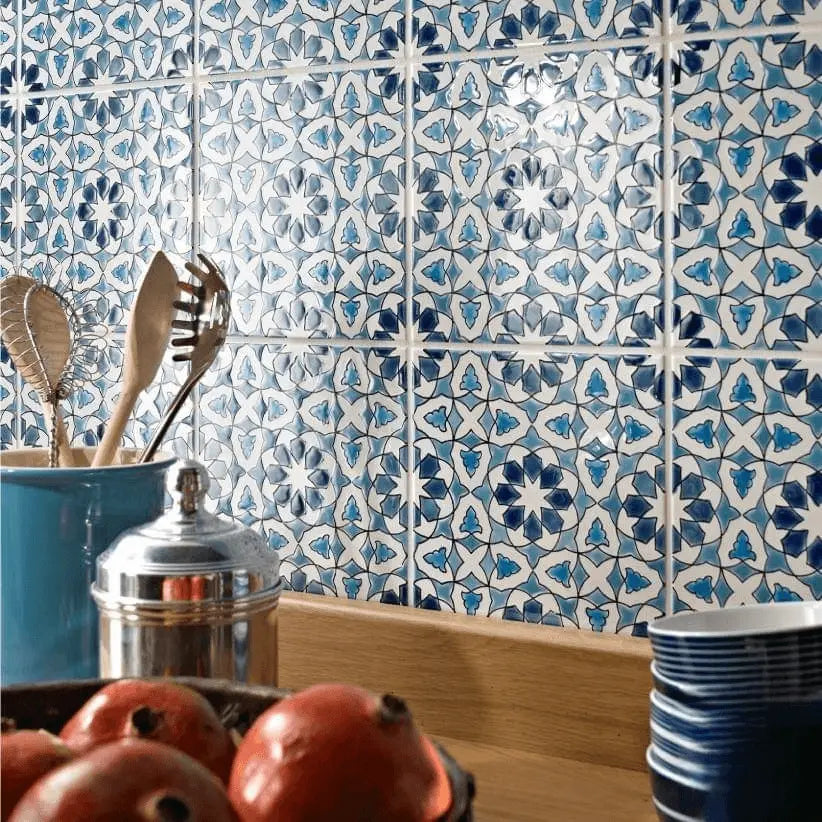
In modern architecture and interior design, Moroccan zellige experiences a renaissance, embraced globally for its artisanal uniqueness and ability to blend tradition with contemporary aesthetics. From boutique hotels to urban residences, its hand-painted ceramic tiles inject warmth and sophistication into kitchens, bathrooms, and living spaces, appealing to homeowners and interior designers seeking distinctive, artisan crafted elements with cultural resonance.
Preserving zellige’s legacy involves efforts to sustain artisan schools and apprenticeship programs that face challenges such as waning interest among younger generations and competition from mass-produced tiles. Maintaining high-quality, hand-crafted techniques requires commitment to long training periods and recognition of zellige’s cultural value beyond mere décor.
As of 2026, sustainable craftsmanship initiatives emphasize resource-conscious practices and community support, ensuring zellige remains a vibrant, living tradition rather than a historical relic. Advocacy for greater appreciation of handmade Islamic art underscores the importance of cultural continuity as a dynamic, evolving practice.
Ultimately, embracing Moroccan zellige today means recognizing the balance between honoring a storied past and adapting to modern design needs, enabling this exquisite tilework to enrich spaces with authenticity, history, and artistic depth.
The Enduring Legacy of Moroccan Zellige
Moroccan zellige stands as a mesmerizing fusion of geometry, craftsmanship, and cultural expression within Islamic art. Its origins rooted in centuries-old traditions, it embodies the meticulous labor of ma'alems and their apprentices, the symbolic power of geometric harmony, and the cultural narratives that flow through Moroccan architecture. Whether gracing monumental mosques or contemporary interior designs, zellige invites a deep appreciation for an art form where history, mathematics, and beauty converge. As modern custodians balance innovation with preservation, Moroccan zellige continues to inspire, educate, and elevate spaces—bridging heritage and contemporary artistry in a luminous ceramic mosaic.

Laisser un commentaire
Ce site est protégé par hCaptcha, et la Politique de confidentialité et les Conditions de service de hCaptcha s’appliquent.